The Branded Merch Edit
Awards & Recognition · 8 min read

Bronze Medals for Events and Awards: The Complete Buyer's Guide for Australian Organisations

Everything Australian event organisers need to know about ordering bronze medals — from materials and customisation to MOQs and turnaround times.

Sofia Mendez

Written by

Sofia Mendez

Awards & Recognition

bronze medals - promotional merchandise

When it comes to recognising achievement, few symbols carry as much weight as a medal. Whether you’re coordinating a school athletics carnival in Adelaide, running a corporate team challenge in Melbourne, or organising a community sporting competition on the Gold Coast, bronze medals play a genuinely meaningful role in the awards experience. They tell third-place finishers that their effort counted — and in many competitions, that recognition is what people remember long after the event is over. But ordering medals isn’t always as straightforward as it seems. There are decisions to make around materials, customisation, minimum quantities, turnaround times, and budget — and getting those decisions right can make a significant difference to both the quality of your event and your bottom line.

This guide covers everything Australian organisations need to know before placing a bronze medal order, from understanding material options to navigating the customisation process.


Why Bronze Medals Still Matter in Modern Award Programmes

There’s a reason the podium tradition has endured for well over a century. Gold, silver, and bronze create a clear hierarchy of recognition that everyone understands instantly. In a world where digital certificates and e-badges are increasingly common, physical medals remain one of the few tangible forms of recognition that people genuinely treasure.

For event organisers, this matters practically. A well-designed bronze medal becomes a keepsake. It sits on a desk, hangs on a wall, or gets pinned to a noticeboard at home. Unlike a ribbon or a printout, a medal has physical presence and perceived value — which means it does a better job of reinforcing the experience it represents.

This is particularly relevant for organisations looking to build community engagement or staff morale. Corporate team-building events, internal recognition programmes, school sports days, and industry association competitions all benefit from medals that feel substantial and considered. In that sense, ordering quality bronze medals is just as much a branding and culture decision as it is a logistics one.


Understanding Bronze Medal Materials and Finishes

Here’s something that surprises many first-time buyers: most medals sold as “bronze” are not made from actual bronze alloy. Instead, they’re typically crafted from zinc alloy (also called zamak), iron, or occasionally aluminium, then finished with an electroplated or painted bronze-coloured coating. This is completely standard across the industry — it keeps costs manageable without sacrificing appearance.

Zinc Alloy (Zamak) Medals

Zinc alloy is the most popular choice for custom medals at mid-to-premium price points. It’s heavier than iron or aluminium, which gives medals a satisfying, solid feel in the hand. The surface takes electroplating well, resulting in a rich, consistent bronze finish. Zinc alloy also holds fine detail beautifully, which is important if your design includes intricate logos, text, or imagery.

Iron Medals

Iron medals are a more economical option and are widely used for large-scale events where quantity is the priority. They’re slightly lighter than zinc alloy and still present well, though the surface finish may not be as refined. For a school sports carnival where you might need hundreds of medals across multiple age groups and disciplines, iron medals offer excellent value.

Die-Cast vs. Stamped Medals

Die-cast medals are created by pouring molten metal into a mould, which allows for highly detailed, three-dimensional designs including raised text, logos, and imagery. Stamped medals are cut and pressed from sheet metal, making them thinner and flatter. Die-cast medals are generally considered the premium option and are worth the investment when the medal itself is part of your event’s brand identity.


Customisation Options for Bronze Medals

One of the biggest advantages of ordering custom bronze medals rather than buying off-the-shelf stock options is the ability to align them with your organisation’s identity. Here’s what you can typically customise:

Shape and Size

Standard medal shapes include circles, shields, and stars, but custom shapes are available with die-cast production. Medals typically range from 50mm to 80mm in diameter, with larger sizes creating a more impressive presentation. Consider how the medal will be displayed and handled — larger medals have more visual impact on a podium but may feel oversized for certain event types.

Imagery and Text

Custom medals can feature your organisation’s logo, event name, year, and any relevant text such as the competition name or category. For die-cast medals, these elements can be raised (in relief) as part of the medal itself rather than printed on top, which significantly improves durability and perceived quality.

Ribbon Colours

Most medals are supplied with a standard ribbon in a colour that suits the metal (bronze medals typically come with red or brown ribbons), but custom ribbon colours and even printed or woven ribbons are available for larger orders. If your event uses specific brand colours, a custom ribbon is a simple way to reinforce that identity.

Epoxy Doming

An epoxy dome — a small, clear resin disc applied over a printed insert in the medal’s centre — is a popular way to incorporate full-colour logos or imagery that can’t be achieved through the casting process alone. This works well for organisations that need precise colour matching for logos or want photographic-quality imagery on the medal.

This kind of colour-accurate branding approach is similar to the principles behind sublimation for promotional products, where full-colour reproduction is the goal — just applied to a very different product format.


Minimum Order Quantities and Pricing Considerations

What to Expect for MOQs

Bronze medals are typically available from as low as 25–50 units for stock designs with basic customisation, but fully custom die-cast medals usually carry minimum order quantities of 100 units or more. Some suppliers require 250+ units for certain custom shapes.

If you’re running a smaller event and need fewer medals, consider stock-shaped medals with custom inserts — these allow for personalised branding at lower minimums and reduced unit costs.

Budget Ranges

As a general guide for Australian buyers in 2026:

  • Stock medals with standard ribbons: $3–$8 per unit
  • Custom zinc alloy die-cast medals: $8–$20 per unit, depending on size, complexity, and quantity
  • Premium large-format medals with epoxy inserts and custom ribbons: $15–$35+ per unit

Setup fees for custom die-cast medals can range from $150 to $400 per design, which is a one-off cost that becomes more economical the larger your order. Always factor setup fees into your overall budget calculation.


Turnaround Times: Planning Your Order Timeline

Custom medal production takes time, and this is one area where organisations frequently underestimate their requirements. For fully custom die-cast medals produced offshore (which is standard for most Australian suppliers), turnaround times typically run 4–6 weeks from artwork approval, plus shipping time to Australia.

If you’re in Brisbane or Perth and ordering for a specific event date, plan for a minimum of 6–8 weeks from initial enquiry to delivery, including time for artwork development, proof approval, and any revisions. Rush production is available from some suppliers but generally attracts a significant premium.

For urgent requirements, stock medals with custom ribbon or engraved inserts can often be turned around in 5–10 business days domestically, which is worth knowing for last-minute event planning.


Artwork and Proof Approval: Getting It Right the First Time

Poor artwork preparation is the most common cause of delays and disappointment in the medal ordering process. Here’s what to prepare before you place your order:

  • Vector artwork files (AI, EPS, or PDF format) for any logos. Raster images (JPG, PNG) are not suitable for die-cast or engraved production without vectorisation.
  • Exact text including spelling, punctuation, and formatting — check everything carefully before approving proofs.
  • Physical proof requests — for significant orders (usually 100+ units), it’s worth requesting a physical sample before full production begins. Digital proofs show the design but can’t replicate how the finished medal feels in hand.

If you’re ordering medals as part of a broader event merchandise programme — including unique promotional products like drinkware, bags, or apparel — ensure your branding is consistent across all items, particularly if you’re matching specific PMS colours.


Medals as Part of a Complete Event Recognition Programme

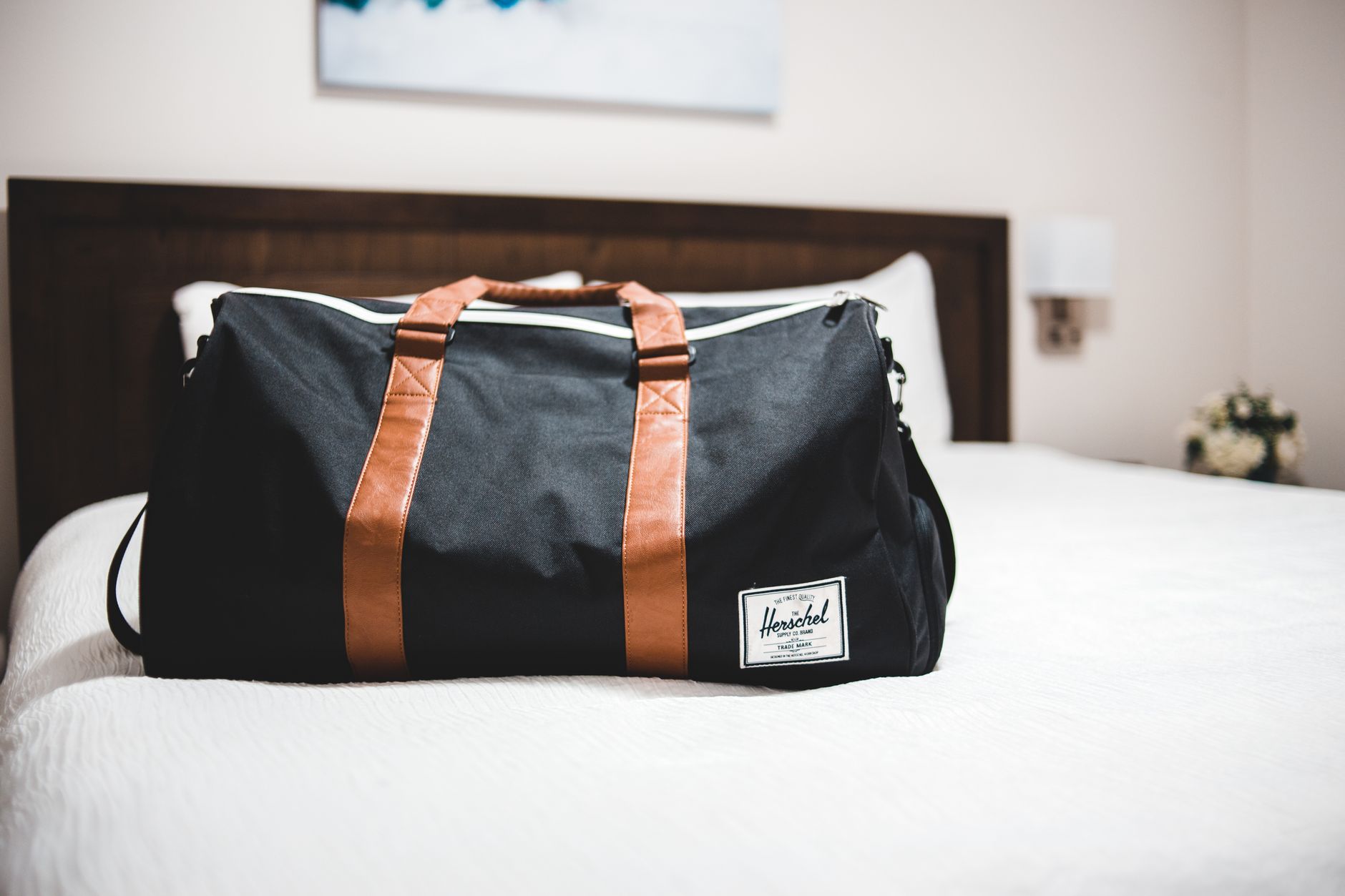
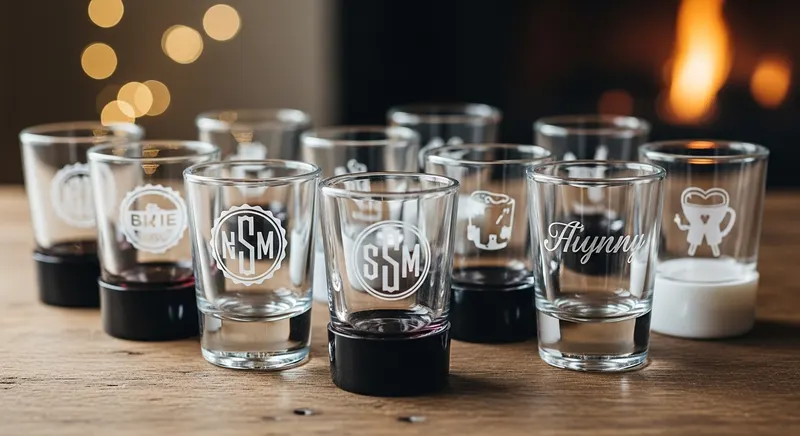
Bronze medals rarely stand alone. Most successful events build a complete recognition experience that extends beyond the podium. Think about what else you might include in a winner’s pack or event gift:

For organisations committed to sustainability, it’s also worth considering how your event merchandise choices align with your environmental values. Our guide to sustainable promotional items and upcycled promotional products in Australia can help you build a recognition programme that reflects responsible sourcing.

You might also consider promotional items for event attendees more broadly — reusable bags for grocery shopping or personalised reusable shopping bags make practical, well-received event giveaways that extend your brand’s reach beyond the event itself.


Choosing the Right Supplier

When evaluating suppliers for bronze medal orders, consider the following:

  • Do they offer physical samples? A supplier willing to provide samples demonstrates confidence in their product quality.
  • What’s included in the quoted price? Setup fees, ribbon costs, and packaging can all vary — get a fully itemised quote.
  • Where are the medals manufactured? Most custom medals are produced in Asia, which is standard and cost-effective, but check that your supplier has quality control processes in place.
  • Can they handle the full programme? If you need medals alongside other event merchandise such as promotional USB drives for speakers, branded tablecloths for presentation tables, or waterproof phone cases for outdoor activity packs, working with a supplier who can source everything simplifies your project management considerably.

Conclusion: Key Takeaways for Ordering Bronze Medals in Australia

Whether you’re recognising athletic achievement, rewarding team performance, or celebrating excellence at a corporate or community event, bronze medals are a timeless and impactful way to acknowledge effort. Getting the ordering process right ensures your medals arrive on time, look the part, and mean something to the people who receive them.

Here are the key points to take with you:

  • Most bronze medals are zinc alloy or iron with a bronze finish — not solid bronze — and this is completely standard across the industry.
  • Die-cast medals offer superior detail and quality for organisations where the medal is a central part of the brand experience; stamped medals suit high-volume, budget-focused events.
  • Plan your order at least 6–8 weeks before your event to allow time for artwork, proofs, production, and shipping.
  • Prepare vector artwork files before contacting a supplier to avoid delays and additional costs.
  • Consider medals as part of a complete recognition programme — pairing them with quality event merchandise creates a more memorable and cohesive experience for participants.