
Buttons and Badges as Branded Merchandise: The Complete Australian Guide
Discover how custom buttons and badges can elevate your brand, event, or campaign. A practical guide for Australian businesses and organisations.

Written by
Nina Zhang
Stationery & Office
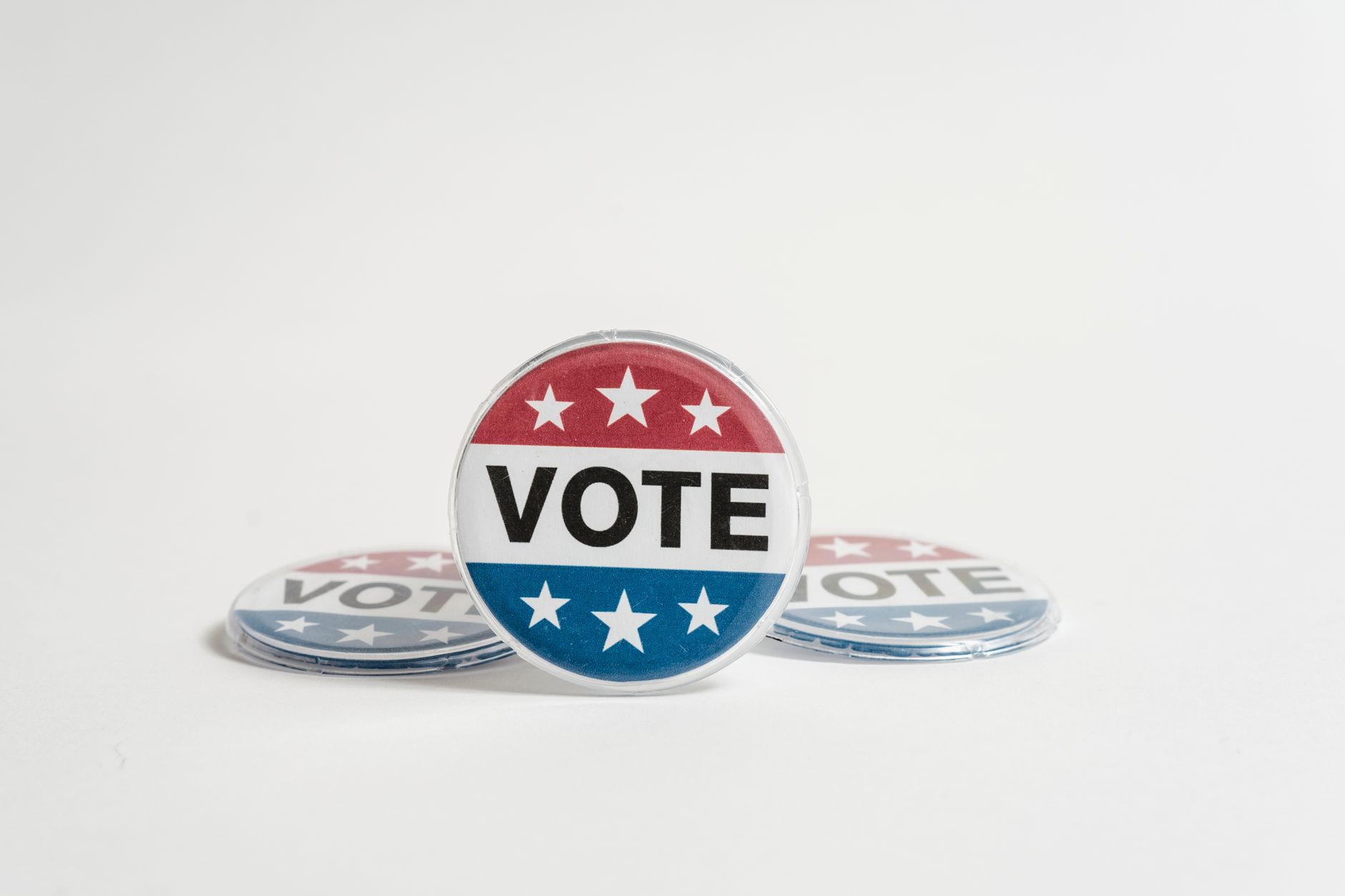
Custom buttons and badges might seem like a small thing — but don’t let their size fool you. These compact, cost-effective promotional items have been a staple of Australian marketing, fundraising, and event culture for decades, and in 2026 they continue to hold their own alongside flashier merchandise options. Whether you’re organising a major corporate conference in Sydney, running a school fundraiser in Adelaide, or building brand awareness at a Brisbane trade show, buttons and badges offer something that larger products simply can’t: immediate, wearable visibility at a fraction of the cost. This guide covers everything you need to know about ordering custom buttons and badges for your business, team, or event — from choosing the right style and decoration method to managing your order efficiently and maximising impact.
Why Buttons and Badges Still Work as Branded Merchandise
In a world where branded merch is getting increasingly sophisticated — think laser engraved portable fans and waterproof phone cases — you might wonder whether simple buttons and badges still have a place. The answer is a resounding yes, and here’s why.
First, wearability. A badge pinned to a lanyard, jacket lapel, or staff shirt turns every person into a walking advertisement. At trade shows, conferences, and community events, this kind of organic visibility is genuinely valuable. Second, affordability. Buttons and badges are among the lowest cost-per-unit items in the promotional products space, making them ideal when you need to order in volume — think hundreds or thousands of units for a large campaign or event.
Third, and perhaps most importantly, they’re versatile. Badges work across almost every sector: corporate businesses, charities, schools, sporting clubs, music festivals, government departments, and healthcare organisations. A Melbourne council running a community engagement campaign can use them just as effectively as a Gold Coast events company handing out branded swag at a festival.
The Emotional and Cultural Connection
There’s also an element of collectibility and nostalgia that buttons and badges tap into. People often keep and display badges they receive at events — pinning them to bags, jackets, cork boards, or lanyards as a way of expressing identity and affiliation. This means your brand message can stick around far longer than a flyer or a digital ad impression. For organisations working on campaigns connected to values — sustainability, community, health, or inclusion — a badge can become a badge of honour in the most literal sense.
Types of Custom Buttons and Badges Available in Australia
Understanding the different styles available will help you match the right product to your purpose and budget.
Pin-Back Buttons (Round Badges)
The classic round pin-back button is the most commonly ordered style in Australia. These are typically produced via full-colour digital printing onto a mylar-coated metal shell, which means your design — including photographs, gradients, and complex artwork — can be reproduced accurately. They’re available in diameters ranging from approximately 25mm right up to 75mm or larger, with 38mm and 58mm being the most popular sizes for corporate and event use.
Round pin-back buttons are excellent for events, conferences, orientation weeks, and fundraisers. A Sydney university running an orientation week might produce thousands of branded buttons to distribute across campus — and because unit costs drop dramatically at high volumes, they’re a budget-friendly option even for large orders.
Button Badges with Safety Pins or Clutch Backs
If you need a more secure fastening — particularly for professional environments or children’s events — badge options with safety pin backs or clutch (butterfly) pin backs offer improved stability. Safety pin backs are common for school and community events, while clutch backs are popular in corporate settings where a cleaner, more professional look is preferred.
Soft Enamel and Hard Enamel Badges
For a more premium product, enamel badges step things up considerably. Soft enamel badges have slightly raised metal edges with recessed, filled colour areas, giving them a textured appearance that feels substantial in the hand. Hard enamel badges are polished flat and have a smooth, glassy finish — the style you’ll often see on quality lapel pins, award badges, and collector items.
Both types are typically produced with a die-struck or die-cast metal base and painted with pantone-matched enamel colours. They’re ideal for award presentations, loyalty programmes, staff recognition, premium events, and any situation where the badge itself needs to feel like something worth keeping. Minimum order quantities for enamel badges are generally higher than for standard pin buttons, and lead times are longer — often three to five weeks — so factor this into your planning.
Woven and Embroidered Badges
Woven and embroidered cloth badges are a popular option for sports clubs, schools, and workwear applications. They can be sewn, ironed, or adhered onto garments, bags, and uniforms. These suit organisations that want a patch-style badge rather than a pin, and they complement branded apparel well. If you’re pairing badges with branded clothing for a club or team, it’s worth reading about promotional items custom options to understand how merchandise components can be coordinated effectively.
PVC and Rubber Badges
Moulded PVC badges are a fun, durable option that works particularly well for children’s events, sporting clubs, and casual brand activations. They can be produced in custom shapes, adding an extra layer of brand personality. Because they’re flexible and soft, they’re safe for younger audiences and tend to hold up well under daily use.
Decoration and Printing Methods for Buttons and Badges
The decoration method you choose will depend on the style of badge and your artwork requirements.
Full-colour digital printing is standard for round pin-back buttons. It’s cost-effective, fast, and handles complex artwork, photographs, and gradients with ease. This is the most common method for event and corporate button production in Australia.
Pantone colour matching is important when ordering enamel badges for corporate use, where brand colour accuracy matters. Always supply your brand’s PMS codes to your supplier to ensure consistent results.
Sublimation printing is used for some badge and patch applications, delivering vibrant, photo-quality results on fabric or coated surfaces. If you’re interested in understanding sublimation’s capabilities more broadly, our quality guide to sublimation for promotional products is a useful reference.
Laser engraving is occasionally used for metal badge plates and name badges, producing a sophisticated, permanent finish — particularly suitable for executive or award applications.
Planning Your Button and Badge Order: Practical Considerations
Minimum Order Quantities and Pricing
For standard pin-back buttons, minimum order quantities (MOQs) typically start at around 50–100 units, though many suppliers will accommodate smaller runs. Bulk pricing tiers usually kick in at 250, 500, 1,000, and 5,000 units — the more you order, the more dramatically the per-unit cost drops.
Enamel badges generally have higher MOQs, often starting at 100–200 units, and carry higher per-unit costs due to the manufacturing complexity involved.
Artwork and Setup
For standard buttons, most suppliers accept print-ready artwork in vector format (AI, EPS, or PDF) or high-resolution raster files (300dpi minimum). Artwork setup fees are common, particularly for custom shapes or complex enamel work. Always request a digital proof before approving production, and double-check all text, spelling, and colour accuracy before signing off.
Turnaround Times
Standard pin-back buttons in Australia typically have a production turnaround of five to ten business days once artwork is approved. Enamel and custom-shaped badges can take three to six weeks. If you’re ordering for a specific event or campaign, build in buffer time and order early — this is especially important if your badges are part of a broader merchandise kit that includes items with longer lead times.
Pairing Badges with Other Merchandise
Buttons and badges rarely fly solo. They’re often part of a broader merchandise mix — combined with tote bags, lanyards, notebooks, or branded apparel. For event merchandise bundles, it’s worth reviewing the latest event merchandise trends in Australia to understand what’s resonating with audiences right now.
For trade show applications, badges make an affordable and highly visible addition to your exhibit presence. Our detailed breakdown of event swag for trade shows in Australia covers how to build a cohesive swag strategy that works hard for your brand.
Badges also pair well with branded stationery items like notebooks and pens. If you’re building a corporate welcome kit, for example, you might combine badges with personalised Parker pens for executive gift situations or branded planners from our guide on New Year branded calendars and planners for clients.
Sustainability Considerations
If your organisation is focused on environmental credentials, it’s worth asking suppliers about eco-friendly badge options — including those made from recycled or sustainably sourced materials. The broader trend toward upcycled promotional products in Australia is influencing how organisations approach merchandise decisions, and badge suppliers are increasingly offering greener alternatives. Similarly, if your event merch mix includes other sustainable items, explore options like hemp branded merchandise to align your badge choices with your broader brand values.
Creative Uses for Buttons and Badges Across Industries
- Corporate events and conferences: Name badges, role identifiers, and branded event keepsakes
- Schools and universities: Sports day badges, achievement awards, orientation giveaways, and fundraiser items
- Charities and NFPs: Campaign awareness badges, donor recognition, and volunteer identification
- Retail and hospitality: Staff identification badges, loyalty rewards, and seasonal promotions (they’re particularly popular for Halloween custom products and themed events)
- Sporting clubs: Membership badges, team pins, and achievement markers
- Hackathons and innovation events: Participant badges and sponsor branding — see our guide on promotional giveaways for hackathons in Australia for how badges fit into the broader merch strategy
- Easter and seasonal promotions: Fun character badges can complement confectionery giveaways — promotional lollies for Easter promotions paired with a branded badge make for a memorable seasonal pack
Conclusion: Key Takeaways for Ordering Buttons and Badges
Custom buttons and badges punch well above their weight as branded merchandise. They’re affordable, versatile, and incredibly effective at creating visible, wearable brand presence at events, in workplaces, and across campaigns of all sizes. Whether you’re a Perth startup ordering 200 pin buttons for a product launch or a Canberra government agency sourcing premium enamel lapel badges for a recognition programme, getting the details right from the outset will ensure you’re happy with the result.
Here are the key things to remember:
- Choose your badge style carefully — standard pin buttons suit volume and event use, while enamel badges offer a premium look for awards and corporate applications
- Supply accurate artwork — vector files and correct PMS codes will ensure your design is reproduced accurately, especially for colour-sensitive brand applications
- Order early — standard buttons are fast, but enamel and custom badges can take several weeks; always allow buffer time for approvals and logistics
- Think about pairings — badges work best as part of a broader merchandise kit; coordinate with complementary items for maximum impact
- Consider sustainability — eco-friendly badge options are increasingly available and can strengthen your brand’s environmental credentials