
How to Print Onto a T-Shirt: A Complete Guide for Australian Businesses
Discover the best methods to print onto a t-shirt for your business, team, or event. Expert tips on decoration, MOQs, and budgeting.

Written by
Ryan Gallagher
Custom Apparel
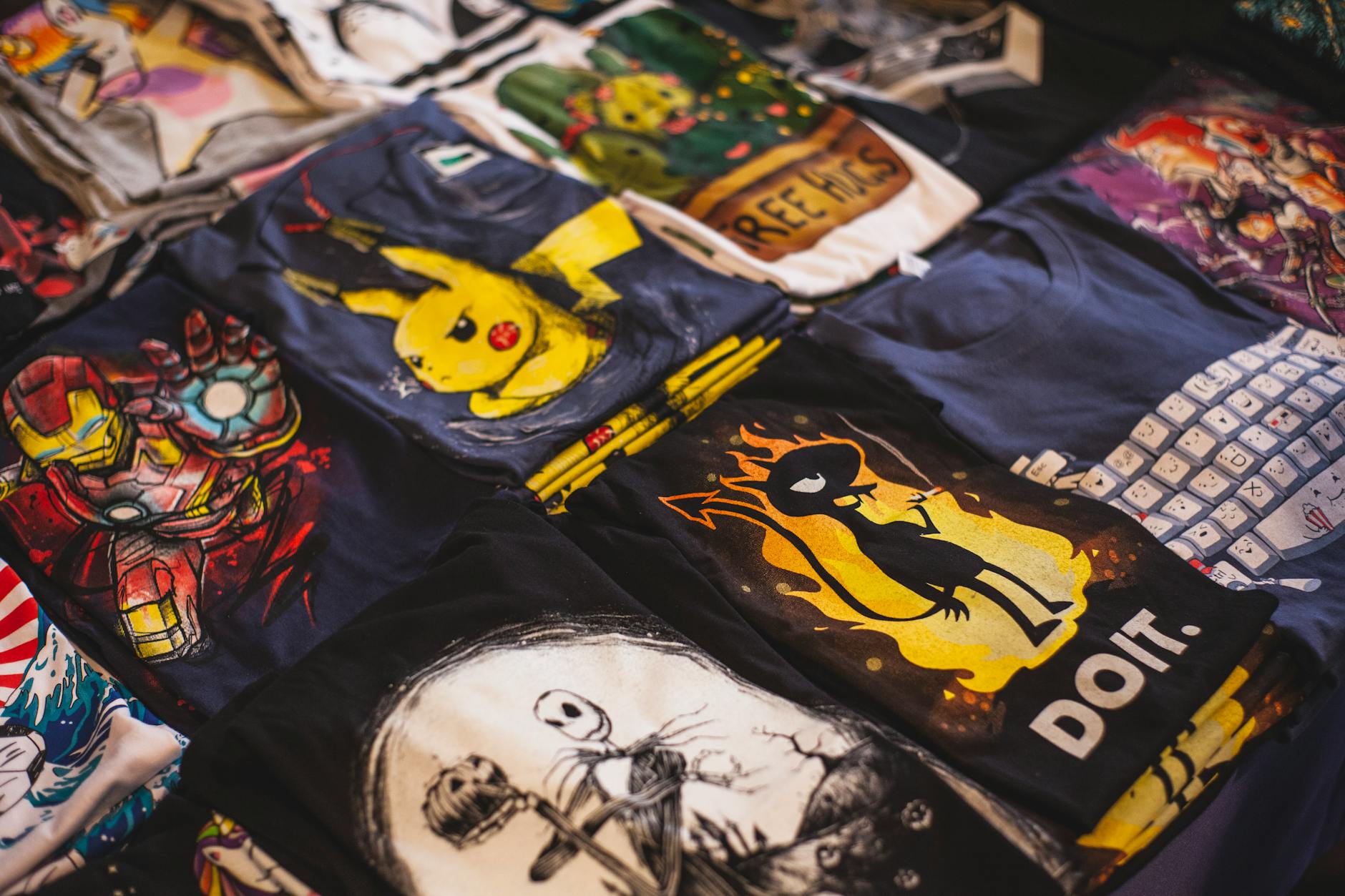
There’s something undeniably powerful about a well-branded t-shirt. Whether it’s a cohesive uniform for a trade show team in Sydney, a giveaway at a Brisbane corporate event, or custom merch for a Melbourne staff retreat, the right printed tee can make an organisation look sharp, professional, and memorable. But if you’re new to the world of custom apparel, understanding how to print onto a t-shirt — and which method suits your needs — can feel overwhelming. This guide breaks it all down so you can make smart, confident decisions from artwork to delivery.
Why Custom T-Shirts Remain One of the Most Popular Promotional Products
Before diving into the technical side, it’s worth understanding why t-shirts consistently rank among the most requested items in branded merchandise. They’re wearable, visible, and genuinely useful — qualities that translate into real marketing value. A well-made branded tee doesn’t end up in the bin like a flimsy promotional flyer. People wear them to the gym, the shops, the weekend market, and beyond.
For corporate teams, custom t-shirts create a sense of unity and professionalism at events and activations. For event organisers running large-scale conferences or expos, they’re a high-impact giveaway that attendees actually keep. And because there are printing methods to suit nearly every budget, they work just as well for a small Canberra non-profit as they do for a national brand rolling out 10,000 units.
If you’re exploring the broader world of promotional merch for your organisation, custom t-shirts are almost always a smart place to start.
The Most Common Methods to Print Onto a T-Shirt
Not all printing methods are created equal, and choosing the right one depends on your artwork, order quantity, fabric type, and budget. Here’s a breakdown of the most widely used techniques in Australia.
Screen Printing
Screen printing is the industry workhorse — and for good reason. It produces bold, vibrant results and becomes significantly more cost-effective at higher volumes. The process involves pushing ink through a mesh stencil (or “screen”) directly onto the fabric, creating a durable, sharp print that holds up wash after wash.
Best for: Simple designs with one to four solid colours, bulk orders of 50 pieces or more.
Considerations: Each colour in your design requires a separate screen, which adds to setup costs. For a design using three colours, expect three setup fees. This is why screen printing is ideal for large runs — the per-unit cost drops considerably once those setup costs are spread across more items.
A typical MOQ (minimum order quantity) for screen printing sits around 24–50 pieces, though some suppliers will accommodate smaller runs at a higher unit price.
Direct to Garment (DTG) Printing
DTG printing works similarly to a standard inkjet printer, but instead of paper, the garment goes directly under the print head. It’s capable of reproducing photographic detail, gradients, and complex artwork with impressive accuracy.
Best for: Full-colour designs, small runs, personalised items, and one-off pieces.
Considerations: DTG works best on 100% cotton garments or high-cotton blends. It’s less cost-effective for very large orders, as there’s minimal economy of scale. Turnaround times are generally faster than screen printing.
If you’re organising a small corporate gift run or need individual names on each tee, DTG is often the most practical option.
Heat Transfer Printing
Heat transfer involves printing your design onto a special transfer paper or film, which is then applied to the fabric using heat and pressure. There are several variations — standard heat transfer, CAD cut vinyl, and digital heat transfer — each with different applications.
Best for: Smaller quantities, multicoloured designs, names and numbers on sports jerseys.
Considerations: Heat transfers can crack or peel over time if not cared for correctly. They’re a good short-term solution but may not offer the same longevity as screen printing or embroidery for uniforms intended for heavy, ongoing use.
Sublimation Printing
Sublimation is a dye-based process where ink is converted from solid to gas and bonded directly into the fabric fibres. The result is a full-colour, all-over print that won’t crack, peel, or fade.
Best for: Polyester fabrics, sports jerseys, all-over printed apparel.
Considerations: Sublimation only works on white or very light-coloured polyester garments. It cannot be used on cotton. The output is exceptional for vibrant, edge-to-edge designs.
Embroidery (Bonus Method)
While not technically a print, embroidery is worth mentioning here because it’s often considered alongside printing when people explore t-shirt decoration. Embroidery uses thread stitched into the fabric, typically via computerised machinery. It looks premium on polo shirts, caps, and heavier-weight tees — particularly for corporate branding.
For a broader look at the full range of promotional products for companies including decorated apparel, it’s worth reviewing what decoration suits your specific product.
Choosing the Right Method for Your Project
Now that you understand the core methods to print onto a t-shirt, here’s how to match the right technique to your situation.
Consider Your Artwork First
Simple logo with two colours on a white tee? Screen printing is likely your best value option for a medium or large run. Complex illustrated design with gradients? DTG or sublimation (depending on fabric) will serve you better. Artwork should ideally be supplied as a vector file (AI, EPS, or high-resolution PDF) for the sharpest results, regardless of the method used.
Factor In Your Order Quantity
For small runs under 24 pieces, DTG or heat transfer is typically more economical. For anything over 50 pieces with a straightforward design, screen printing becomes the clear winner on cost per unit. For orders in the hundreds or thousands — say, a national retail chain ordering staff uniforms — screen printing combined with a consolidated artwork brief is the most scalable approach.
Budget Realistically
A common mistake is focusing only on the unit price without accounting for setup fees, which can range from $30 to $80 per colour for screen printing. Get a complete quote including all fees before committing. Also consider whether you need individual sizes sorted and labelled — this packing service adds cost but saves enormous time when distributing to a large team.
Thinking about bundling your t-shirts with other branded items? You might also explore options like promotional drawstring backpacks, reusable water bottles, or custom stubby coolers to build a cohesive branded pack.
Practical Tips for Ordering Custom Printed T-Shirts in Australia
Getting the most from your custom t-shirt order isn’t just about choosing the right print method. These practical tips will help your project run smoothly.
Work with a Local or Australian-Based Supplier
Working with a supplier based in Australia — whether in Perth, Adelaide, or Melbourne — means faster communication, easier sample viewing, and turnaround times that align with local freight expectations. If you need items for an event in Gold Coast in three weeks, a domestic supplier is far more reliable than sourcing offshore with extended lead times.
You can also check resources like our overview of finding a printing store near me to understand what to look for in a local supplier.
Always Request a Pre-Production Sample or Digital Proof
Before committing your full order to production, always review and approve a digital proof or, where possible, a physical pre-production sample. This is your chance to verify that colours, sizing, placement, and artwork accuracy are all correct. Approving without reviewing carefully is one of the most common — and costly — mistakes in custom merch.
Understand Turnaround Times
Standard turnaround for printed t-shirts in Australia is typically 10–15 business days from artwork approval. Rush orders are possible but usually attract a premium. If your order is for a specific event date, factor in this lead time early and add buffer for any artwork revisions.
Think About Fabric and Fit
Not all t-shirts are equal. The fabric weight (measured in GSM — grams per square metre), cut, and collar style all affect how the final product looks and feels. A 180–200 GSM cotton tee is considered a solid mid-weight option for most corporate and event applications. If you’re ordering for an active outdoor use case, consider moisture-wicking polyester blends instead.
Explore the Full Range of Branded Items to Complement Your Tees
A printed t-shirt is a fantastic anchor piece, but a complete branded experience often includes complementary items. Depending on your event or campaign, you might also consider reusable shopping bags, custom travel mugs, branded gym towels, or even personalised name tags and badges for your team. Bundling products into a branded kit creates a stronger, more cohesive impression.
For broader inspiration on what to include in a branded merchandise range, our guide to promotional items custom and promo materials is a great starting point.
Key Considerations for Corporate and Event Organisers
If you’re ordering on behalf of a corporate team or event, here are a few additional factors worth keeping in mind:
- PMS colour matching: If brand consistency is critical, request Pantone (PMS) colour matching to ensure your logo colours are reproduced accurately across all materials.
- Sizing distribution: Collect sizing information from your team or guests in advance. Misjudging the size ratio of an order results in leftover stock and unhappy recipients.
- Storage and logistics: If you’re ordering well in advance, consider how and where you’ll store the stock before distribution.
- Re-ordering: Choose a print-ready artwork file and keep it on hand so re-ordering for future events is straightforward.
Conclusion: Making Smart Decisions When You Print Onto a T-Shirt
Knowing how to print onto a t-shirt confidently means understanding the differences between decoration methods, planning your order around artwork and quantity, and working with suppliers who understand your timeline and brand requirements. Australia’s branded merchandise industry offers a wide range of options to suit every budget, application, and aesthetic — the key is matching the right method to your specific brief.
Here are the key takeaways to carry with you:
- Choose your print method based on artwork complexity, fabric type, and order quantity — there’s no single best method for every situation.
- Always factor in setup fees when comparing print options — the unit price alone doesn’t tell the full story.
- Request a digital proof or pre-production sample before approving your full order to avoid costly mistakes.
- Work with Australian-based suppliers for faster turnaround, clearer communication, and more reliable delivery for time-sensitive projects.
- Plan your sizing, distribution, and storage logistics early, especially for large corporate or event orders, to avoid last-minute headaches.
A well-executed custom t-shirt order can elevate your brand, unite your team, and leave a lasting impression on customers, attendees, and stakeholders alike. With the right knowledge and planning, it’s one of the most rewarding investments in promotional merch you can make.