
Work Clothes Carhartt Style: Durable Branded Workwear for Australian Businesses
Discover how to source durable, Carhartt-style work clothes for your Australian team — with expert tips on branding, decoration, and bulk ordering.

Written by
Luke Paterson
Safety & Workwear
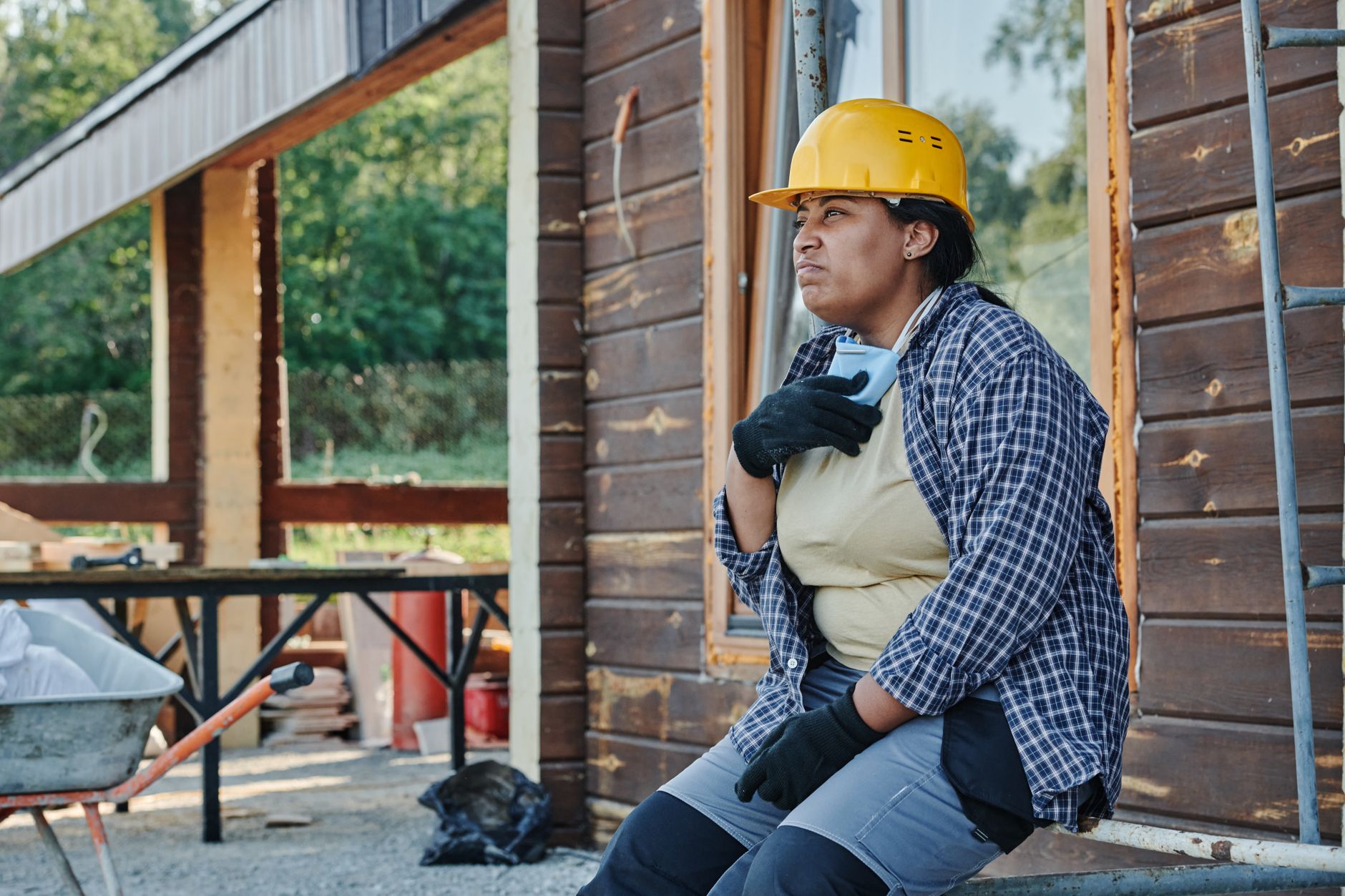
When it comes to outfitting a workforce, durability isn’t a nice-to-have — it’s non-negotiable. Whether you’re managing a construction crew in Perth, coordinating a trade event team in Brisbane, or kitting out a logistics operation in Melbourne, the quality of your team’s work clothes directly affects safety, comfort, and how your brand is perceived on the job. The rugged, no-nonsense aesthetic of Carhartt-style work clothes has become something of a global benchmark for heavy-duty workwear, and Australian businesses are increasingly looking for that same level of quality when sourcing branded uniforms and merchandise. This guide walks you through everything you need to know about choosing, customising, and ordering durable work clothes for your team.
What Makes Carhartt-Style Work Clothes So Popular?
Carhartt built its reputation over more than a century by making workwear that actually holds up in demanding conditions. Duck canvas jackets, reinforced denim, heavyweight cotton drill — these are the hallmarks of a garment that’s built for the job site, not the office. That legacy has created a global appetite for work clothes that prioritise function, longevity, and practicality.
For Australian businesses, this philosophy translates perfectly. The harsh Australian climate — from the blistering heat of Darwin summers to the biting cold of a Canberra winter — demands clothing that can handle real-world punishment. Tradies, outdoor event staff, warehousing teams, and agricultural workers all share a common need: workwear that won’t fall apart after a few washes or fade after a season in the sun.
Key Features to Look for in Quality Work Clothes
When evaluating work clothes for your team, whether you’re referencing the Carhartt standard or a comparable Australian workwear supplier, look for:
- Fabric weight: 300gsm and above for outerwear, 180–220gsm for work tees and polos
- Reinforced stitching: Double or triple stitching at stress points like pockets, cuffs, and seams
- Pre-washed or preshrunk fabrics: Reduces post-wash distortion, which matters when uniforms need to look consistent
- Compliance ratings: For high-risk environments, look for AS/NZS 4602.1 (hi-vis) or AS/NZS 4501 certifications
- Colour fastness: Particularly important for branded garments that need to maintain a professional appearance over time
Branded Work Clothes: Balancing Durability with Professional Presentation
Here’s where workwear and branded merchandise intersect. Durable work clothes are an investment — but they’re also a branding opportunity. A well-branded uniform communicates professionalism, builds team identity, and puts your logo in front of clients and the public every single day.
The challenge is ensuring that your decoration method is as durable as the garment itself. There’s no point ordering rugged drill work shirts if the logo starts cracking after six months on the job site.
Decoration Methods That Work for Heavy-Duty Work Clothes
Embroidery is the gold standard for workwear branding. It’s tough, it looks professional, and it handles repeated washing and abrasion far better than most print methods. Embroidered chest logos or sleeve patches on work shirts and jackets are a popular choice across industries. Typical setup costs for embroidery run between $40 and $80 per design, with embroidery pricing calculated per thousand stitches.
Screen printing works well on heavyweight cotton tees and canvas-style work shirts, particularly for larger graphics or back prints. For multi-colour designs, it’s one of the most cost-effective methods at volume. If your team is wearing branded t-shirts at events or working in environments where the garment sees moderate wear, screen printing is a solid option.
Heat transfer and direct-to-garment (DTG) printing suit smaller runs or orders with complex, full-colour artwork. DTG in particular has improved dramatically in recent years and can handle photographic-quality prints on cotton-rich work shirts.
For more technical garments, you might also consider sublimation — though this is best suited to polyester fabrics. Our quality guide to sublimation for promotional products covers when and where this method delivers the best results.
Minimum Order Quantities and Turnaround Times
For branded workwear, most Australian suppliers work to a minimum order quantity (MOQ) of 12–25 garments for standard decoration, though some embroidery suppliers will go as low as 6 pieces for a simple chest logo. Bulk orders of 50+ typically unlock the most competitive per-unit pricing.
Turnaround times for embroidered workwear generally sit between 10 and 15 business days once artwork is approved. Screen printing on work shirts can often be turned around in 7–10 business days. If you need rush orders for a site start date or event, always communicate this upfront — some suppliers offer expedited production for a premium.
Choosing the Right Work Clothes for Your Industry
Not all workwear is created equal, and the right choice depends heavily on the environment your team operates in.
Construction, Trades, and Industrial Environments
For these settings, you want the heaviest, most abrasion-resistant fabrics available. Cotton drill (often 310–340gsm) work shirts, reinforced cargo pants, and durable outerwear are the foundation. Hi-vis requirements may apply depending on the site classification — always check your WHS obligations for your state or territory.
Embroidery is the preferred decoration method here. It won’t peel or crack under friction, and it looks professional even on garments that see daily hard use. Consider adding your logo to both the chest and back for maximum brand visibility on site.
Outdoor Events, Festivals, and Hospitality Teams
For event staff working outdoors, comfort and brand visibility are the priorities. Lightweight work tees, branded polos, and softshell jackets are popular choices. Screen printing works well here, particularly for large-format logo prints on the back.
Depending on the season and location, sun protection becomes a real consideration. If your team is working a summer event in Queensland or South Australia, our guide to summer branded sunscreen and sun hats for events is worth reading alongside your workwear planning.
Warehousing, Logistics, and Driver Uniforms
Polo shirts and work tees with embroidered logos are the industry standard here. Branded fleece hoodies or winter branded thermos flasks for outdoor workers pair well with cold-climate workwear packages for teams operating in Victoria or Tasmania through winter.
For a comprehensive look at polo options specifically, our post on women’s polo shirts in Australia covers cut, fabric, and branding considerations for mixed-gender teams.
Building a Complete Branded Work Kit
Smart businesses don’t stop at the garments themselves. A complete branded work kit amplifies the professionalism of your team and creates a more cohesive brand experience for clients and customers.
Depending on your industry and team needs, consider adding:
- Branded keep cups or travel mugs — a practical daily item that reinforces your brand. See our picks for the best travel mug coffee options for corporate gifting.
- Branded water bottles — essential for outdoor and trade workers. Our guide to popular water bottle options covers the most widely used styles.
- Reusable bags — great for carrying tools, documents, or samples. Check out our roundup of tote bags with zippers for more structured options.
- Branded gym towels — useful for teams with physical roles or access to facilities. See our post on branded gym towels for options and decoration advice.
- Waterproof phone cases — practical for site workers or outdoor event staff. Our guide to waterproof phone cases covers the best options for active environments.
For businesses with an eye on sustainability, it’s worth exploring upcycled promotional products in Australia to complement your workwear order with eco-friendly branded items.
Budgeting for Branded Work Clothes
Workwear is one of the higher-cost categories in the branded merchandise space, and rightfully so. You’re investing in garments that need to last, not marketing tchotchkes with a six-month lifespan.
A rough guide to budgeting for branded workwear in Australia:
| Item | Typical Per-Unit Cost (Branded) |
|---|---|
| Embroidered work polo | $35–$65 |
| Printed work t-shirt | $18–$35 |
| Embroidered drill work shirt | $45–$80 |
| Branded fleece hoodie | $50–$90 |
| Hi-vis work shirt (embroidered) | $50–$85 |
These figures vary based on garment brand, fabric specification, decoration complexity, and order volume. Always request itemised quotes that break out garment cost, decoration cost, and setup fees separately so you can compare suppliers accurately.
Conclusion: Key Takeaways for Sourcing Durable Work Clothes
Sourcing Carhartt-quality work clothes for your Australian team is absolutely achievable — it just requires clear thinking about your environment, your brand requirements, and your budget. Here’s a quick summary to keep in mind:
- Prioritise fabric weight and construction — look for reinforced stitching, pre-washed fabrics, and certifications relevant to your industry.
- Choose embroidery for hard-wearing environments — it outlasts print methods on garments that see daily, heavy use.
- Plan your full uniform kit — work clothes are more impactful when paired with complementary branded accessories and PPE.
- Request itemised quotes — separate garment, decoration, and setup costs so you can make accurate comparisons across suppliers.
- Don’t underestimate turnaround time — for site start dates, events, or seasonal deployments, build in at least two to three weeks for production and delivery.
Investing in quality branded work clothes isn’t just about appearances — it’s about giving your team the tools to do their job safely and comfortably, while putting your best brand forward every single day.